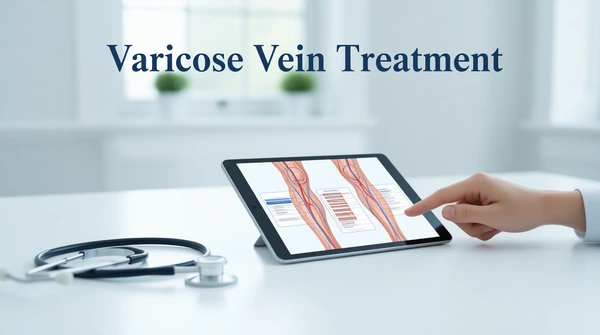
If you’ve noticed bulging, swollen veins in your legs, you might be experiencing varicose veins—a condition that affects millions and can lead to discomfort or more serious complications if left untreated. With trusted specialists such as Metro Vein offering modern, minimally invasive solutions, getting the right care is more accessible than ever.
In this text, we will walk you through everything you need to know about varicose vein treatment, including the common causes behind these veins, the most effective treatment options available today, what to expect during recovery, and practical prevention methods. By the end, you’ll feel empowered to take charge of your vascular health with confidence.
Understanding Varicose Veins
Varicose veins occur when the veins become enlarged and twisted, leading to an aesthetically displeasing appearance and sometimes uncomfortable symptoms. They most often appear in the legs and feet, but they can develop in other parts of the body as well.
Causes and Risk Factors of Varicose Veins
Several factors contribute to the formation of varicose veins:
- Genetics: A family history of varicose veins increases our risk, as these tend to run in families.
- Age: As we age, the elasticity of our veins diminishes, making them more prone to becoming varicose.
- Obesity: Extra weight can put added pressure on the veins in our legs, contributing to the development of varicose veins.
- Pregnancy: Hormonal changes and increased blood volume during pregnancy can lead to varicose veins.
- Standing or Sitting for Long Periods: Occupations or activities that require prolonged sitting or standing can hinder blood circulation.
Symptoms and Diagnosis
The symptoms of varicose veins may vary from person to person, but often include:
- Swelling in the legs and ankles
- A heavy or aching sensation in the legs
- Discomfort after standing for long periods
- Itching or burning around the veins
- Skin discoloration around the affected area
Diagnosing varicose veins usually begins with a physical examination. We may be asked about our symptoms and family history. Sometimes, Doppler ultrasound tests are used to assess blood flow in the veins.
Treatment Options for Varicose Veins
Once we determine that treatment is necessary, several options exist depending on the severity of our condition.
Conservative Treatment Methods
For mild varicose veins, we might consider conservative treatments, including:
- Compression stockings: These help support the veins and improve blood flow.
- Lifestyle changes: Regular exercise, diet modifications, and weight management can significantly reduce symptoms and improve vein health.
- Elevation of legs: Elevating our legs can help alleviate swelling and discomfort.
Minimally Invasive Procedures
If our symptoms don’t improve with conservative methods, minimally invasive procedures may be appropriate:
- Sclerotherapy: A solution is injected into the affected veins, causing them to collapse and fade away.
- Endovenous laser treatment (EVLT): A laser fiber is inserted into the vein, sealing it off and preventing blood flow.
- Radiofrequency ablation: This procedure uses radiofrequency energy to close off varicose veins.
Surgical Interventions
For severe cases, surgical options may be suggested like ambulatory phlebectomy. In this method, small sections of varicose veins are removed through tiny punctures in the skin.
Discussing the right approach with our healthcare provider is crucial for tailoring the treatment plan to our specific needs.
Post-Treatment Care and Recovery
Following any varicose vein treatment, proper care ensures optimal healing:
- Follow-Up Appointments: We must keep all follow-up appointments to monitor recovery.
- Compression Therapy: Wearing compression stockings as instructed can help during recovery.
- Physical Activity: Mild activities, such as walking, can aid circulation and prevent complications, but should be balanced with rest.
- Watch for Symptoms: We should be vigilant for any symptoms like increased pain, swelling, or changes in skin color, indicating the need for immediate medical attention.
Preventing Varicose Veins
While we cannot change some risk factors, we can adopt habits to minimize our chances of developing varicose veins:
- Maintain a Healthy Weight: A balanced diet and regular exercise will help keep our weight in check.
- Stay Active: Regular movement encourages circulation and reduces pressure on the veins.
- Flexible Clothing: Avoid tight clothing that can restrict blood flow. Opt for loose-fitting garments.
- Elevate Your Legs: Whenever possible, we should take breaks to elevate our legs.
Implementing these lifestyle changes not only helps in prevention but also supports overall vascular health.
When to Seek Medical Advice
It’s essential to know when to consult a healthcare provider. We should seek medical advice if:
- Our symptoms worsen or new symptoms emerge.
- We experience severe pain or swelling in the legs.
- There are changes in skin color or temperature around the affected veins.
- We notice bleeding from varicose veins.
These could signal potential complications requiring immediate attention.
Conclusion
Understanding varicose veins equips us with the knowledge necessary to take decisive action. Whether through conservative treatment, minimally invasive procedures, or preventive measures, we have options to manage this common condition effectively. If we suspect we have varicose veins, seeking professional advice is paramount to our vascular health journey. Remember, taking proactive steps can lead to healthier, happier legs.