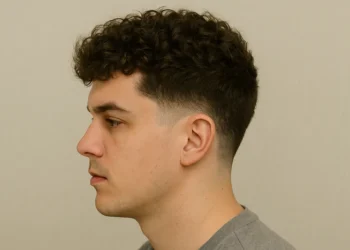
Looking for a low taper fade that suits your hair? Compare 13 haircut ideas for straight, curly, afro and fluffy hair, including textured fringes, blowouts and short styles. Use the pictures to choose a look and find out what to ask your barber.
What Does a Low Taper Fade Look Like?
A low taper fade gradually shortens the hair around the sideburns and neckline, leaving most of the sides and back longer. Unlike a low fade, which typically blends around more of the lower head, a low taper concentrates the shortest hair at these edges. Check the side and back of a haircut photo to see where the blend begins and how high it goes.
13 Low Taper Fade Haircut Ideas
Compare the length on top, the texture and how closely the sideburns and neckline are tapered. These details make a bigger difference than the haircut name alone.
Ninja Low Taper Fade
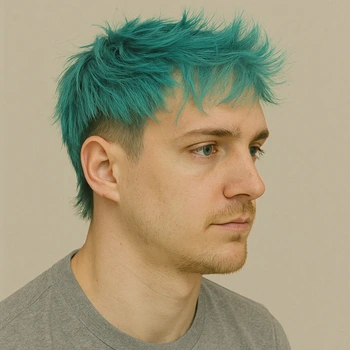
The Ninja version is associated with the viral low taper fade trend. As a haircut reference, focus on the tidy taper at the sideburns and nape rather than trying to copy a meme exactly. For the context behind the look, see our Ninja low taper fade guide.
The Ninja name comes from a viral trend, not a separate barbering technique. Show your barber a clear side-and-back haircut photo and specify that the taper should stay at the sideburns and nape.
Blowout Low Taper Fade

A blowout low taper fade puts most of its volume on top, with hair lifted away from the scalp and a clean finish around the lower edges. It suits people who like movement and shape without a very short overall cut.
Ask to keep enough length through the top for a lifted blowout. A hairdryer and a light styling product can help create volume, but the result depends on how your hair naturally sits.
Low Taper Skin Fade

A low taper skin fade blends the bottom of the sideburns and neckline down to skin. This creates a crisper finish while keeping the faded area low.
Tell your barber whether you want the very bottom of the sideburns and neckline shaved to skin or simply clipped very short. A skin-close finish usually needs more frequent tidying to stay crisp.
Low Taper Fade Mullet
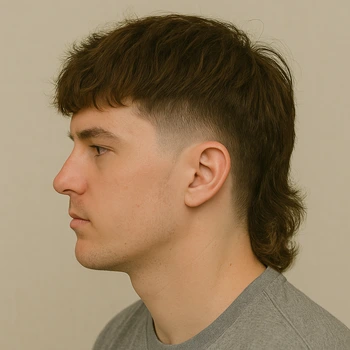
Keep extra length at the back for a mullet shape while tidying the sideburns and neckline with a low taper. The combination is noticeable from the profile and back. See our low taper fade mullet guide for the longer-hair details.
Show your barber a side and back view: the longer section at the back is what creates the mullet shape. Agree on the back length before trimming it.
Low Taper Fade with Textured Fringe
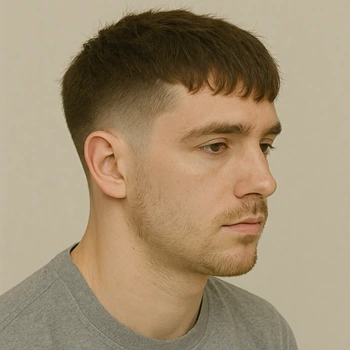
A textured fringe brings separation and movement to the hair at the front, with the low taper keeping the edges neat. For styling options specific to this combination, see our low taper fade with textured fringe guide.
Ask for visible separation through the fringe rather than one solid block of hair. Explain whether you want the front to sit above your eyebrows or fall over them.
Low Taper Fade Fringe
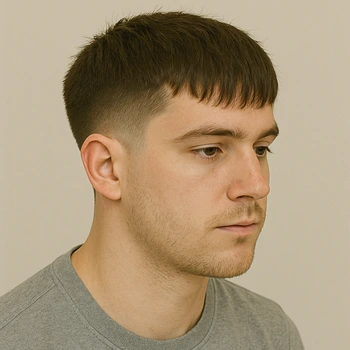
This version wears the front hair forward, creating a clear fringe shape rather than a heavily separated, piecey texture. Your barber can make it soft and natural or more defined.
This version keeps the fringe more continuous across the forehead than the piecey textured style above. Decide how low you want the fringe to sit before cutting.
Low Taper Fade Straight Hair
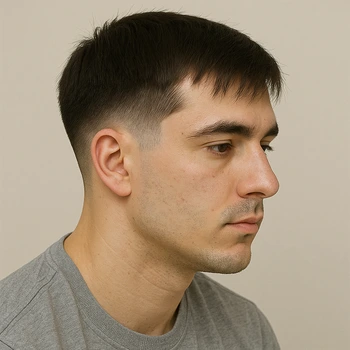
On straight hair, a low taper can make the outline look precise while leaving room for a side part, a tidy crop or a longer top.
If your hair lies flat, ask whether a little layering on top would make your chosen shape easier to style. A lightweight product can add separation without making it stiff.
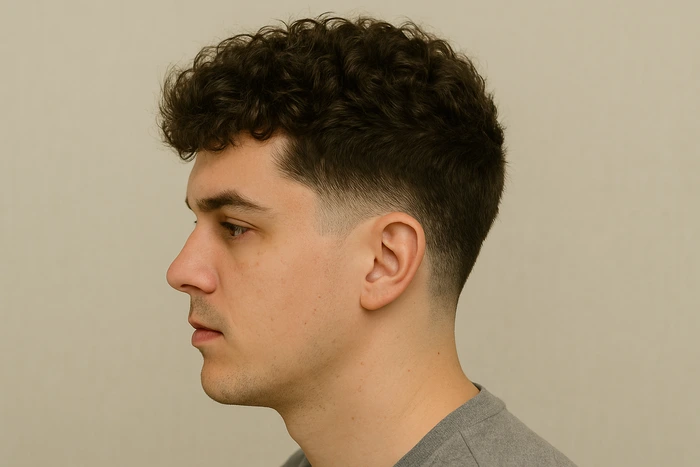
Low Taper Fade Curly Hair
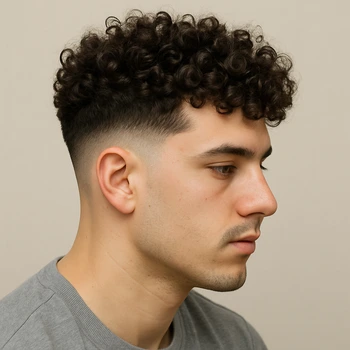
A low taper works with natural curls by trimming the lower edges while keeping the curl pattern visible on top and around the head. Our low taper fade curly hair guide looks more closely at curl-friendly choices.
Show your barber the amount of curl volume you want after the cut and discuss shrinkage before shortening the top. The taper can tidy the outline while leaving the curls intact.
Low Taper Fade Afro
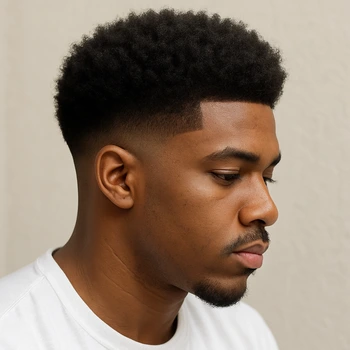
On afro-textured hair, a low taper can sharpen the temples and nape while preserving the natural shape and density above. For more detailed ideas, read our low taper fade afro guide.
Ask how the taper will connect to your natural hairline and whether you want the afro shape rounded, squared or left more natural. Avoid requesting an artificially pushed-back hairline.
Low Taper Fade Fluffy Hair
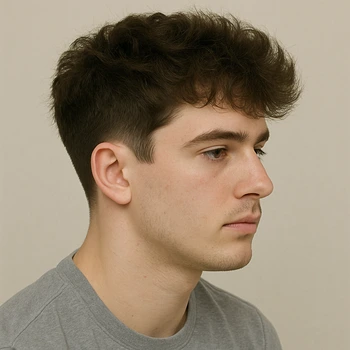
Fluffy hair pairs a soft, airy top with a tidy taper at the edges. Unlike a tightly slicked style, the finish has intentional movement and lift. Explore more options in our low taper fade fluffy hair guide.
Keep enough length and layering on top for a light, airy shape. Ask for a low taper only at the edges; heavy waxes can weigh down the fluffy finish.
Short Low Taper Fade
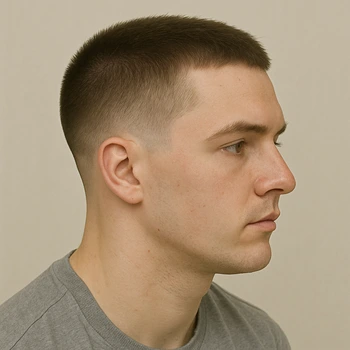
A short low taper fade keeps the top fairly cropped and the fading concentrated low around the ears and nape. It is an easy shape to describe to a barber and can look polished with little daily styling.
For a low-maintenance cut, show the barber your preferred top length rather than asking simply for ‘short’. A shorter top gives less room to change the style between trims.
Long Hair Low Taper Fade
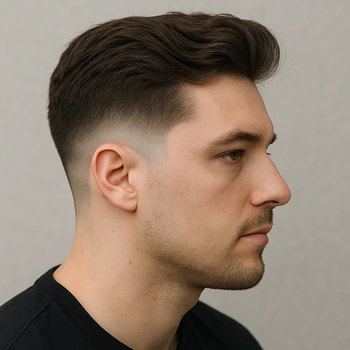
With longer hair on top, the taper mainly tidies the edges while the upper hair can be swept back, parted or worn naturally. This is a useful compromise if you want a cleaner neckline without sacrificing length.
Tell your barber whether you usually part, sweep back or wear the longer hair forward. Trim only the amount needed to keep that styling option and clean up the taper around the edges.
Low Taper Fade with Beard

A low taper fade can connect naturally into a beard, creating a gradual transition from the sideburns to the facial hair. The beard can be kept closely trimmed or fuller depending on the look you prefer.
Ask for a gradual blend from the sideburns into the beard if you want a connected finish. Show where you’d like the beard line to sit, especially around the cheeks.
Which Low Taper Fade Should You Get?
Start with the result you want to see in the mirror, then check how much styling you’re happy to do each morning.
| Your goal | Style to consider |
|---|---|
| Easy everyday styling | Short low taper fade |
| Volume on top | Blowout or fluffy hair |
| Defined natural texture | Curly or afro low taper fade |
| Hair across the forehead | Fringe or textured fringe |
| A sharper finish | Low taper skin fade |
| Longer, expressive shape | Mullet or long hair on top |
Choose a Style That Works with Your Hair
Hair density, curl pattern, growth direction and the length you want to keep matter more than a rigid face-shape rule. If you have fine hair, ask whether the top can hold the volume shown in your reference. If your hair is very curly or dense, discuss where the taper should stop so the overall shape stays balanced. A good barber can adapt the outline rather than cutting everyone to the same template.
Low Taper Fade vs Low Fade: What’s the Difference?
These names are sometimes used loosely, but the distinction is useful when you’re describing the result you want.
| Low taper fade | Low fade |
|---|---|
| Usually concentrates the blend at the sideburns and nape | Usually takes the fade around more of the lower sides and back |
| Retains more visible hair above the ears | Creates a more continuous faded band |
| Generally more understated | Often more noticeable from the side |
For visual examples and terminology, see our taper vs fade comparison.
What to Ask Your Barber for a Low Taper Fade
You can say: “I’d like a low taper around the sideburns and back of the neck, keeping the fade low rather than taking it high up the sides. Please leave [your preferred length] on top and style it like this reference picture.”
Bring the Right Reference Pictures
Choose a photograph showing the side or back where the taper is visible, plus a front view if the fringe or top shape matters. Point out what you like about the photo and what you don’t. A photo of a similar hair texture makes the conversation easier.
Do You Need to Ask for Specific Clipper Guards?
You don’t need to memorise guard numbers. Explain how short you want the edges and let the barber recommend the tools and blend for your hair. If you’re learning the process, our taper fade haircut guide explains the basic steps.
Keeping Your Low Taper Fade Looking Fresh
Styling Your Hair at Home
Keep the product choice simple. A light texture product can help straight or fluffy hair hold its shape; curl cream or leave-in conditioner may help define curls; and a blowout generally needs a hairdryer for lift. Use a small amount first and add more only if needed.
To keep the neat edge visible, avoid letting styling product build up around the hairline, and follow a washing routine that suits your scalp and hair texture.
How Often Should You Get a Low Taper Fade?
If you like a very sharp outline, a tidy-up roughly every two to three weeks may suit you. Others prefer to let it grow for longer. Your hair growth rate and how closely the taper was cut will change the timing. Read more in our guide to how long a taper fade lasts.
What Does a Low Taper Fade Cost in the UK?
Prices depend on the barbershop, area, stylist and whether the appointment includes a wash, beard trim or detailed styling. Rather than relying on one nationwide estimate, check current prices from a few local barbers and confirm whether you’re booking a standard cut, a skin fade or a combined haircut and beard service.
Final Thoughts: Find Your Low Taper Fade
Pick two or three examples that match your hair and the amount of styling you enjoy. Show the pictures to your barber, agree on the length to keep on top and ask for the taper to stay low around the ears and neckline. A small adjustment to the shape can make the haircut work much better for you than copying a photo exactly.