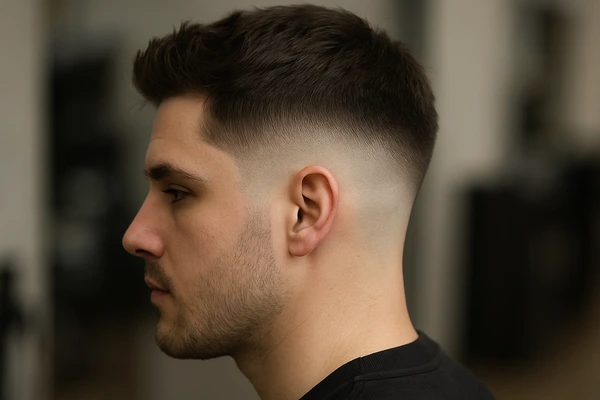
The taper skin fade has become one of the most requested haircuts in UK barbershops. It’s sharp, modern and incredibly versatile. Whether you prefer subtle sides, a bold high fade, or a clean look for work, the taper skin fade fits almost every style and hair type. From curly and Afro-textured hair to straight and fine strands, this haircut blends sophistication with street-style confidence.
In this guide, we break down the different types of taper skin fades, how they work with beards and hair textures, and what to expect from your barber.
What Is a Taper Skin Fade?
A taper skin fade is a haircut where the hair gradually decreases in length from the top down to completely shaved or skin-level around the sides and neckline. The blending is smooth, clean and precise, giving the haircut a fresh finish.
Understanding the Tapering Technique
A classic taper focuses on lowering the length around the sideburns and neckline. A skin fade removes the hair completely using a foil shaver or razor. When combined, you get a taper skin fade: sharp, controlled and highly detailed. This technique is different from a full skin fade or bald fade because the shortest point sits lower, giving a more natural finish.
Key Barbering Techniques & Tools
Barbers usually rely on clippers, trimmers, edgers, guards such as #2, #1, #0.5, and a foil shaver for a smooth skin finish. Straight razors are used for sharp line-ups, edging and final detailing. Clipper-over-comb helps achieve a seamless blend between longer lengths and the faded sides.
Types of Taper Skin Fades
Low Taper Skin Fade:
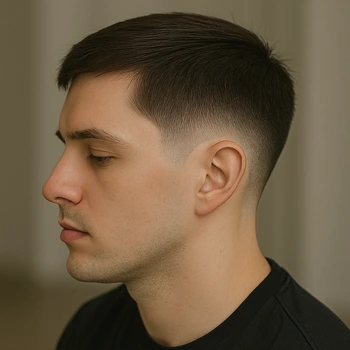
A low taper skin fade starts just above the ear and keeps most of the sides fuller. This makes it ideal for people who want a clean yet professional look. It works especially well for straight and wavy hair, and it’s a favourite for students and office workers who want something neat but stylish.

Mid Taper Skin Fade:
The mid taper sits slightly higher and offers a perfect balance of sharpness and softness. It blends well with textured tops, messy crops or curly hair. Many people choose this fade because it adds structure without being too bold.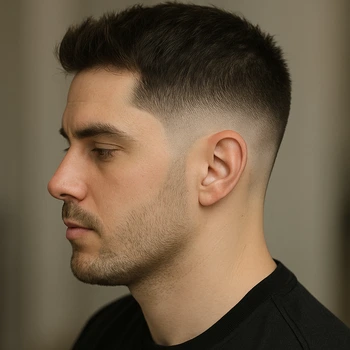
Read Also: Mid Taper Skin Fade
High Taper Skin Fade:
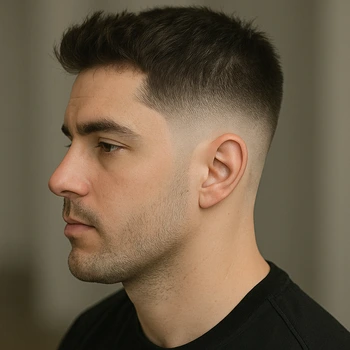
High taper skin fades are placed much higher on the head, offering a bold contrast between the top and sides. This style is popular in urban grooming trends and works brilliantly with thick hair, curls and Afro textures. It’s the go-to choice for men who want a sharp, modern look with maximum definition.
Taper Skin Fade by Hair Type
Taper Skin Fade for Curly Hair:
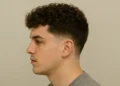
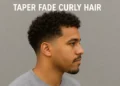
Curly hair fades beautifully when blended properly, but it requires skill. Moisturising products like curl cream or leave-in conditioners help define curls and maintain shape. A taper skin fade keeps the curls controlled while allowing texture to remain the focal point.

Taper Skin Fade for Straight Hair:
Straight hair shows every detail of the fade. For this reason, barbers rely on cleaner blending and precise line-ups. Matte clay or pomade adds texture to the top and helps avoid a flat or overly sleek look.
Taper Skin Fade for Black Hair (Afro Hair):
Afro-textured hair is perfect for taper skin fades because it shapes naturally and holds definition. Sharp line-ups, razor detailing and edge control create a crisp outline. This fade is a core part of modern Black men’s grooming because it enhances the face structure and complements waves, curls or sponge-twist tops.

Beard Integration with a Taper Skin Fade
Skin Taper Beard Fade:
A beard fade connects the haircut to the beard seamlessly. The barber gradually reduces the beard length near the sideburns, making the jawline look sharper and more defined. Different beard shapes pair well with this technique, including full beards, chin straps and goatees.

Best Beard Shapes for a Taper Fade:
Square beards suit round faces, while low beard fades suit longer or more angular face shapes. A well-blended beard fade keeps the entire look clean, balanced and structured.
Style Variations to Consider
The taper skin fade works well with many modern styles such as textured tops, waves, side-parts and fringe variations. Athletic looks, messy crops and even classic comb-overs can all be upgraded with a clean taper fade.
Barber’s Guide: How a Taper Skin Fade Is Done
Step-by-Step Process:
A barber usually begins by sectioning the hair and deciding where the fade will sit—low, mid or high. Clippers are used with higher guards to remove bulk and create the first guideline. The barber then works down through guard sizes, blending gradually until reaching a #0.5 or zero guard. A foil shaver removes the remaining hair for a smooth finish. Razor detailing completes the haircut and defines the edges.
Common Mistakes to Avoid:
Uneven blending, harsh lines or fading too high can change the shape of the head and throw the style off. Skilled barbers always check symmetry and adjust the fade based on hair density and face shape.
Maintenance & Aftercare
Daily Styling Tips:
Curly hair needs moisture, while straight hair often benefits from matte styling products for added movement. Keeping the hairline fresh makes a big difference, especially if you have a sharp line-up.
How Often to Refresh a Skin Fade:
A taper skin fade looks its best when refreshed every one to two weeks. The shorter the fade, the quicker it grows out.
Home Grooming vs Professional Barber:
Basic trimming can be done at home, but shaping the taper and achieving a smooth blend is best left to a professional barber.
Who Should Choose a Taper Skin Fade?
Face Shapes:
Men with round faces often suit higher tapers because they add height and structure. Low tapers look natural on oval or square faces.
Lifestyle Fit:
This haircut suits almost everyone—students, professionals, creatives and athletes. It’s adaptable, clean and always looks intentional.
Final Thoughts
The taper skin fade is a haircut that works for all hair textures, face shapes and personal styles. It combines modern detail with classic structure and gives you plenty of room to personalise your look. Whether you prefer a low, mid or high taper, this haircut remains one of the cleanest and most adaptable choices in men’s grooming.
FAQs
1. Is skin fade shorter than 0?
Yes, a skin fade is shorter than 0. It tapers down to bare skin using a razor or foil shaver, creating a clean-shaven look at the neckline and sides.
2. Does a skin fade look good with a beard?
Yes, a skin fade complements a beard by creating contrast and a smooth transition from hair to facial hair. Faded beards enhance jawlines and add symmetry to the face.
3. Is a skin fade attractive?
Yes, a skin fade is considered attractive. It creates a sharp, clean appearance that highlights facial features and suits various hair types and face shapes.
4. What face shape is a skin fade?
A skin fade suits most face shapes. High fades elongate round faces, low fades balance oval shapes, and mid fades work well for square or heart-shaped faces.
5. Is skin fade haram?
Some Islamic scholars consider the skin fade haram due to uneven hair lengths. Others permit it if the haircut avoids imitating forbidden styles. Interpretations vary by school of thought.
6. Is a taper skin fade good for curly hair?
Yes. It helps define curls while keeping the sides tidy.
7. Can I combine a taper fade with a beard fade?
Definitely. It creates a seamless transition and sharpens the jawline.
8. What’s the difference between a taper fade and a skin fade?
A taper uses skin exposure only in specific lower areas, while a full skin fade exposes the skin much higher across the sides.
9. Is a taper skin fade suitable for formal environments?
Yes, especially the low and mid taper styles that remain subtle and neat.