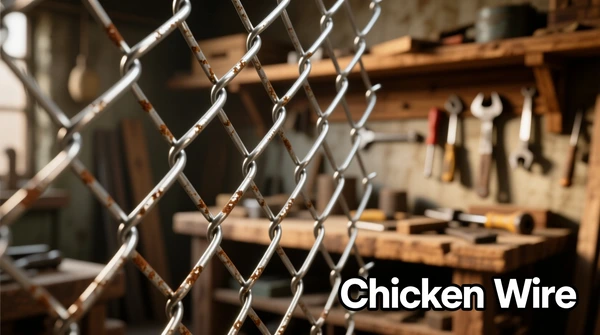
Choosing chicken wire may seem like a simple task at first glance, but the reality is that chicken wire is one of those products that comes in many different forms—each is suited for various applications and functions. No matter whether you need chicken wire for securing poultry, for your garden enclosures, or for some home project you have planned, being informed will give you just what you need to have the right chicken wire for your intended use.
1. Understanding the Purpose of Chicken Wire Mesh
Before making any purchase for fencing material, it is essential to begin by identifying your intended use for your chicken wire mesh purchase. This is because Chicken Wire Mesh is preferably suited for fencing chicken runs, enclosing animal enclosures, or protecting plants, and can also be used for your decorative projects around the garden or backyard.
When making your purchases for animal enclosures, your primary choice should be wire mesh capable of offering good protection against all possible predators, such as foxes, dog attacks, or any animal.
2. Select The Right Wire with the Right Gauge
The thickness of the wire is measured and is directly proportional to the strength and durability. The fewer the number, the fatter the wire.
- A 20-gauge wire is a powerful one and is applied in poultry runs and outdoor fencing when reliability is the key.
- A 22-gauge is lighter in weight and can be worked with; it is also applicable in garden barriers or ornamental jobs.
In case there is any predator concern or long-term strength of the structure is required, always use a heavier wire. When you are doing hobby crafts or practising fencing, a lighter gauge is just the thing.
3. Comparing Galvanised and PVC-Coated
Chicken wire is usually available in two diverse finishes namely, galvanised and PVC-coated.
Galvanised Chicken Wire:
This category is coated with zinc to ensure that it is not corroded. It is long lasting, it is weatherproof and can be used outside. Galvanised is also a good choice when it comes to animal fences and structural features in gardens that last a long time.
PVC-Coated Chicken Wire:
In garden settings where appearance becomes more important, the PVC coating smoothes and finishes the mesh attractively, and it also adds a layer of moisture protection. The plastic covering increases the durability of service and minimises the chances of rusting in harsh environments.
During decision making, take into consideration the environment, looks, and the duration you would like your structure to serve.
4. Picking the Best Aperture Size
Aperture: This is the hex opening size. Apertures come in 25mm or 1 inch and 50mm or 2 inch size options. Using small openings is effective for safeguarding against smaller animals or birds. The larger opening is suited for environments where visibility or lightweight features matter.
When it comes to chicken enclosures, 25mm is preferred to keep chicks inside and away from predators. But for garden enclosures where just rabbits or deer are a threat, larger hole openings may be required. This is because the hole opening affects the strength and functionality of the chicken wire mesh.
5. Ensuring Long-Term Durability and Installation Success
The chicken wire may be high-quality, but it will work properly only if it is installed and looked after properly. It should also be tightly stretched to avoid drooping and may have to be anchored to posts using strong staples or wire.
Notably, if animal protection is your aim, you should bury your chicken wire mesh at least 30cm below ground to prevent any animals from digging their way under your fencing system.
In any case, it is vital to point out that the most effective wire will depend directly on your intended use for the Chicken wire mesh. A heavier gauge and smaller hole size provide excellent animal protection, while also being suitable for garden fencing or any homemade projects you may have on hand.
A galvanised wire offers excellent durability and is perfect for any project or use that you may have in mind. In contrast, PVC-coated wires are excellent for animal protection and aesthetic appeal.