If you have ever spent a rainy afternoon watching a small drip hit your living room floor, you know that sense of dread. Most homeowners look at their shingles when a leak starts, but the real culprit is often hiding in plain sight against their chimney or walls. To keep your home dry, a professional roof repair park city inspection service can identify these weak points before they turn into a structural nightmare. Metal flashing is your home’s main defense against water, but when it pulls away, the clock starts ticking.
What is Counterflashing Anyway?
Before we get into the “why,” we need to talk about the “what.” Most people see the metal strips around their chimney and assume it is just one solid piece. In reality, it is a two-part system. You have the base flashing that sits under the shingles and goes up the wall. Then you have the counterflashing, which is the piece embedded into the masonry or siding that overlaps the base.
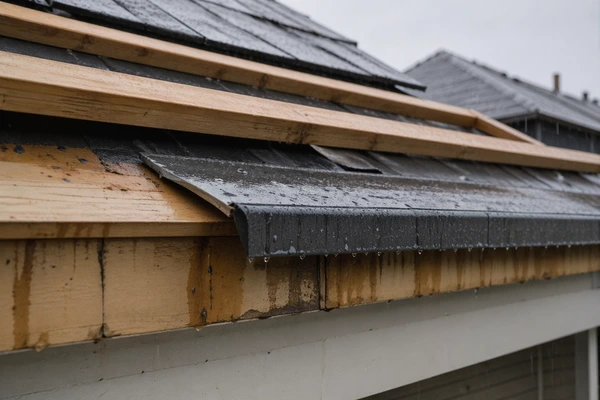
Think of it like a tucked-in shirt. The counterflashing is the shirt tail that hangs over the pants. If that shirt tail comes untucked, water can run straight down your skin. On a roof, if that metal strip pulls away from the brick or mortar, it creates a massive gap where rain can bypass the shingles entirely.
The Gravity Trap
In dry weather, a loose piece of metal does not look like a big deal. It might rattle in the wind, but it seems harmless. The moment the clouds open up, gravity becomes your worst enemy. Water is incredibly good at following a path. When rain hits the side of a chimney, it runs down the masonry.
If your counterflashing is tight, the water hits the metal and is directed safely onto the surface of the roof. If it is loose, the water slips behind the metal. Once water is behind that barrier, it is trapped against the wood decking and the underlayment. Since it is shielded from the wind, it stays wet for days, slowly rotting the wood underneath.
Expansion and Contraction
Wet weather rarely comes alone. It usually brings changes in temperature and humidity. When your roof gets soaked, the materials react. Wood swells when it is damp, and metal expands or contracts based on the temperature of the rain.
If your counterflashing was already slightly loose, these physical changes can pull it even further away from the wall. This is how a tiny gap in April becomes a gaping hole by June. The constant movement of the house during a storm puts stress on those old sealant lines and rusted nails. If the seal is already broken, every gust of wind and every drop of water works to pry that metal further out.
The Hidden Cost of Moisture
The biggest issue with loose flashing in wet weather is that the damage is often invisible until it is too late. You might not see a puddle on your floor right away. Instead, the water is soaking into your insulation or running down the inside of your walls. This creates a perfect breeding ground for mold and mildew.
By the time you see a brown stain on your ceiling, the wood rafters might already be soft. Because counterflashing is responsible for protecting the most vulnerable joints of your roof, a failure here is much more serious than a single missing shingle. It is a direct highway for water to enter the core of your home.
Final Word
Dealing with roof issues is never fun, but ignoring the metal bits around your chimney is a recipe for disaster. Small gaps lead to big bills, especially when the storms start rolling in. Scheduling a roof repair park city inspection service is the easiest way to make sure your flashing is tight, and your home stays dry. A little maintenance now prevents a massive headache later.